Mulgrave
We have an adage in my firm – ‘half the words pack twice the punch’. I promised myself I would not write such a long piece but here I am. At least I have summarised the key takeaways and done my best to make the following words practical and useful!
Feel free to skip to those takeaways at the end of the essay – close to one for every year I have been on my photographic and artistic journey. It is shorter; however, I think you may get something from taking the slightly longer road. I know I did.
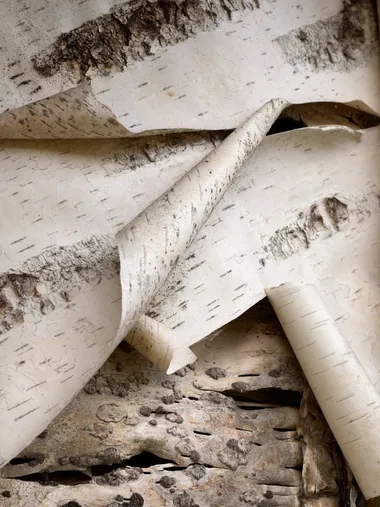
It is ten years since I finished my Mulgrave work. From 2011 to 2014 I visited Port Mulgrave on the Yorkshire coast many times to make photographs. I had recently changed jobs and joined one of the top strategy consulting firms. The work at the firm was fantastically interesting and exciting. It was also extremely stressful and time-consuming.
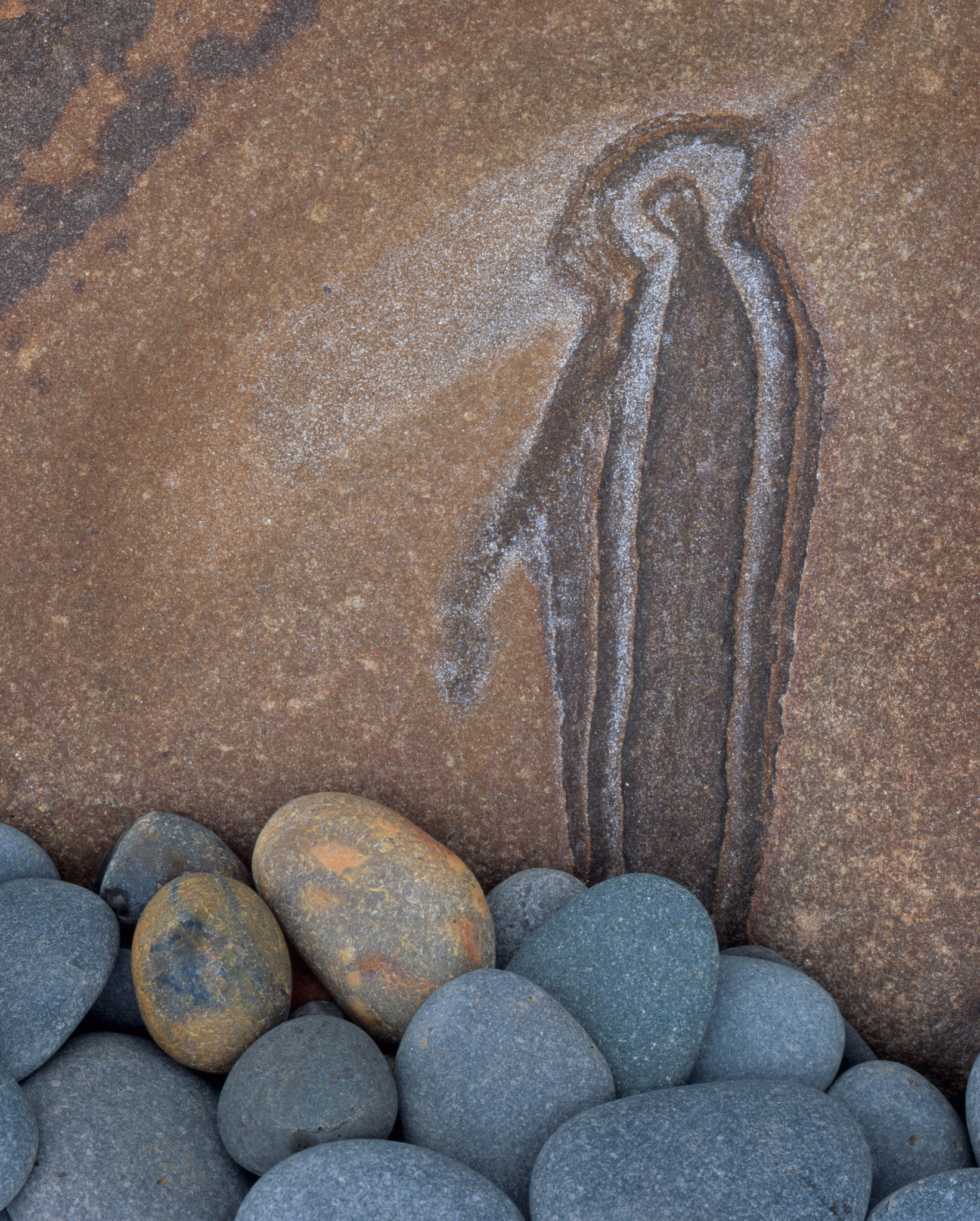
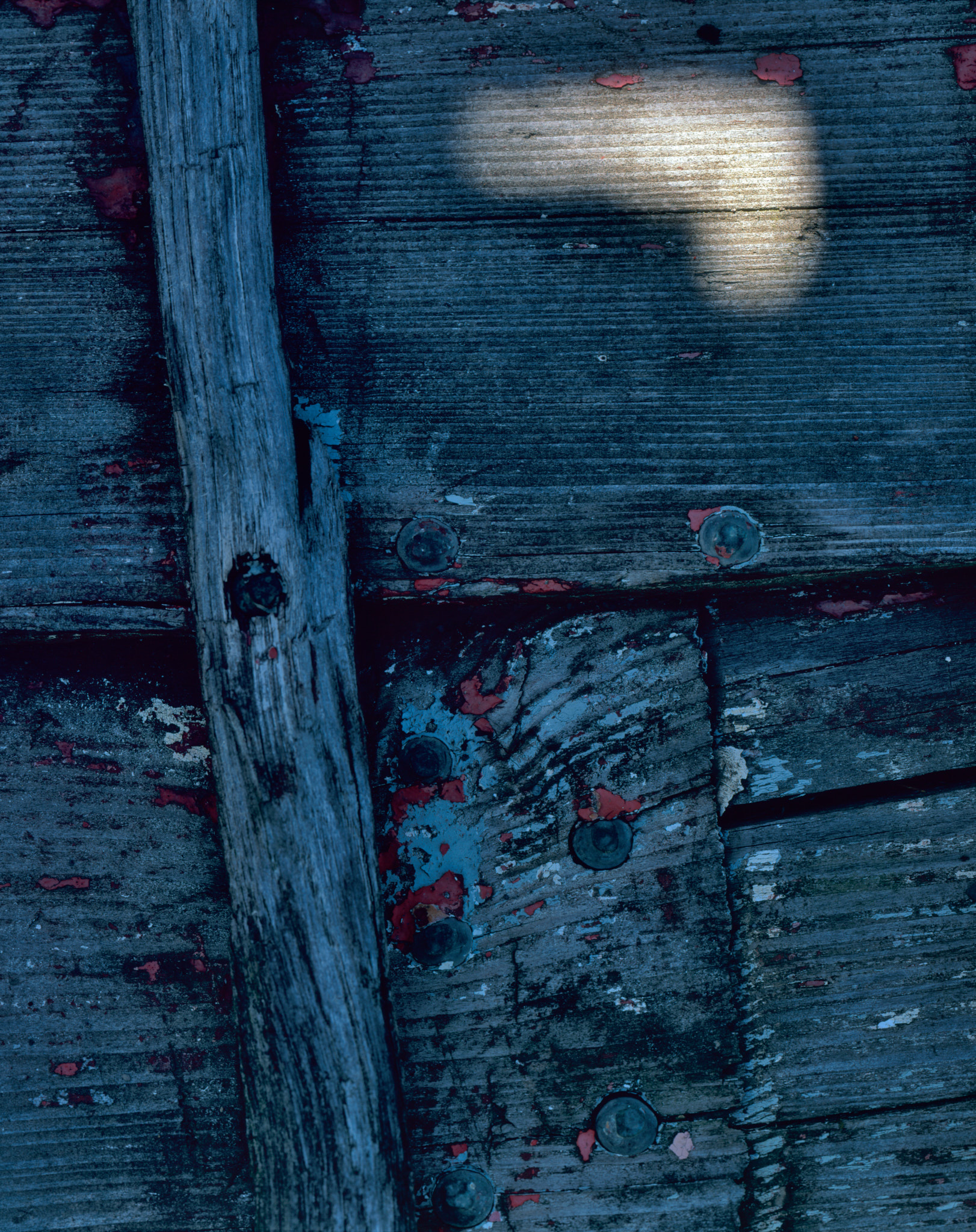
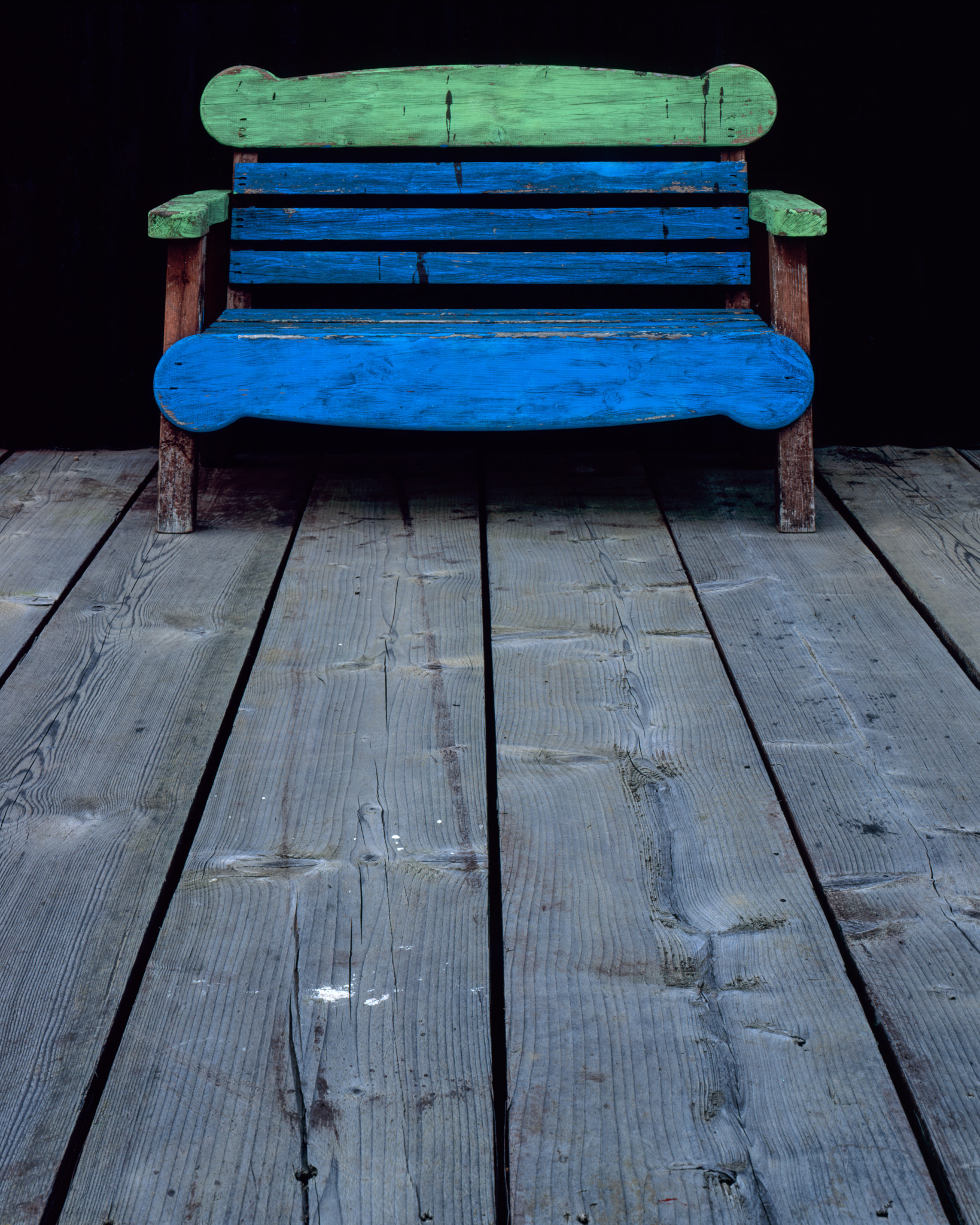
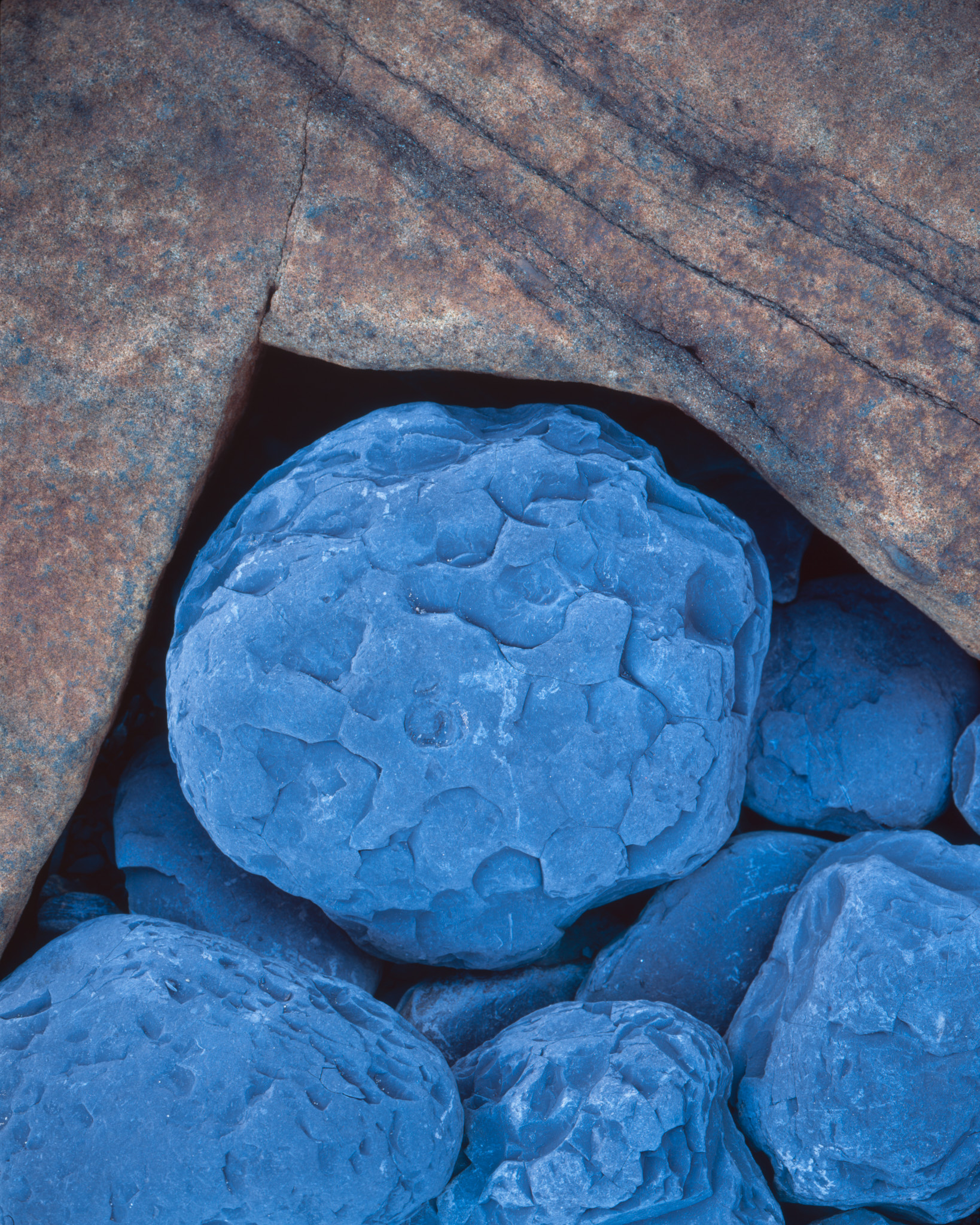
Visiting Mulgrave at weekends and holidays became a release or a ‘balance’ from the world of work. I could visit a familiar place, point my camera at something, disappear under my dark cloth and forget the stresses of work. I wasn’t required to plan. I could just go at a moment’s notice. Tides were irrelevant due to the nature of the raised land above the harbour. And the location had lots of interesting things to photograph: fishing gear and huts, boats, tractors, mines, mineral deposits, rusty nails and some of the most interesting geology on the east coast.
Mulgrave had no majestic vistas to photograph. No particular history of landscape photographers visiting. And no Instagram influencers and their followers appeared in their tens of thousands for a few minutes to trample the earth and take videos or pictures of themselves so that their picture can be posted online and liked.
The only people I saw at Mulgrave the whole time I visited were fishermen and their families, fossil collectors and the few people who accompanied me on some of the visits. Photography made a great release from the pressure of work and life. It was intellectually stimulating and fun. It was rewarding, sometimes surprising.
Finding a similarly absorbing creative outlet – whether or not it is art or photography – is in my view vital for positive mental health. That is the first and most universal takeaway from this retrospective.
Abstract Art and Photography
I started to explore abstract art at Mulgrave. What does that mean in the context of photography?
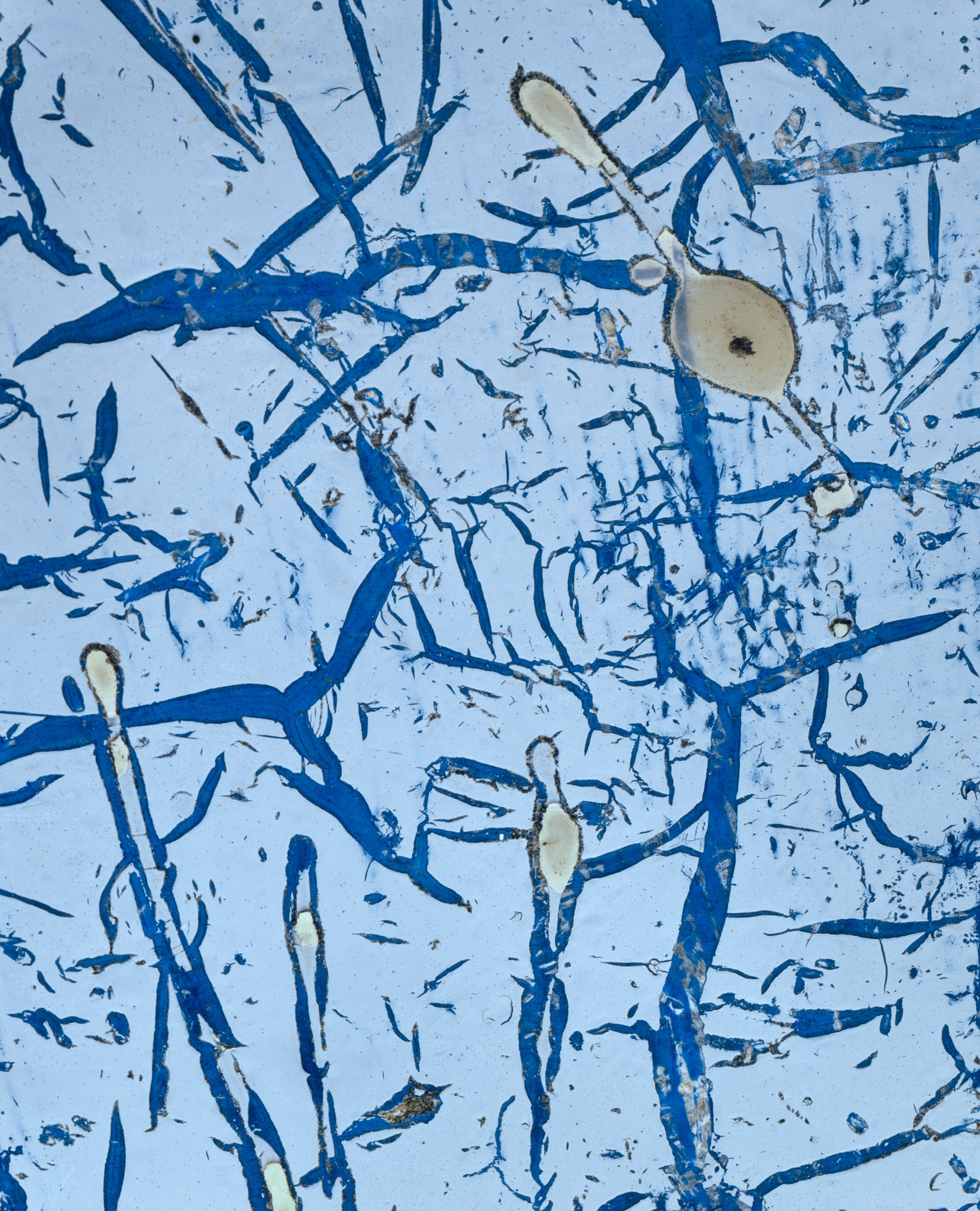
The Abstraction Movement was an attempt to create art that does not depict the physical real world. Instead, it uses lines, shapes, symbols, textures, compositions and many other approaches to create something that does not represent physical objects. The subject is typically something else – a concept, an idea, an emotion. The subject is not the object being drawn (or indeed photographed). Examples include the work of Pollock, Miró, Rothko, Kandinsky, Picasso, Mondrian and many more. I was travelling a lot with work at this time and, staying over at the weekends, I started to visit the modern art galleries in New York, San Francisco, Boston, London, Houston and many more cities. With time to devote to looking, I could not help but be influenced by the magic of their work.
How does abstraction work with photography, which is typically characterised as the most literal and most representational of the visual arts? Well, to start with, every photograph is on a spectrum from representation to abstraction. No single photograph is fully representative of the objective truth. For example, the photograph omits what is not in the frame. Context, history and detail have gone. Nothing is fact-checked or peer-reviewed. False impressions can be constructed. Malicious agendas can be pushed. And all of this was possible with photographs in the 1930s at the hands of totalitarian dictators.
Consider what generative AI can do to a photograph now (in 2025) in a world of addictive, toxic social media, especially when put in the hands of someone with an unethical objective or someone with a bias who doesn’t value evidence-based, peer-reviewed science? So no, a photograph is not by definition fully representative of the physical real world.
Good abstract photography has the objects in the frame dancing to the tune of a higher purpose.
But even though no single photograph is fully representative, it does not mean every photograph is fully abstract. In order to make a photograph that does not intend to depict the physical world many techniques have been applied historically. Some involve disguising the true nature of an object being photographed through close-up details or unusual angles. Other ideas involve using techniques to make the image appear less clear or unusual. For example, Intentional Camera Movement (ICM), filters and various post-processing and printing techniques can all do this. Working in black and white adds a degree of abstraction to the appearance of the images.
Examples of abstract photography include the work of photographers like Strand, Weston, Siskind, Sugimoto, Ray, Kasten, Moholy-Nagy and many more. These artists advocated strongly for photography to be accepted as a visual art form.
What struck me as I worked the objects at Mulgrave was that the act of creating an image that hid or disguised the physical world was not enough. There are two parts to the definition I gave above. One part is to deliberately make a photograph that does not depict, or at least does not intend to depict, the physical world. The second part is to manifest the real subject. Find that external-to-the-frame idea, concept, emotion, metaphor, question or whatever gives the work some meaning.
Just because a photograph does not obviously depict the real world doesn’t automatically make it abstract art. Or at least good abstract art. That is the second key takeaway from this retrospective. Manifest the subject. Make that idea explicit, at least in your own mind, and use that knowledge to inspire the next set of photographs. Good abstract photography has the objects in the frame dancing to the tune of a higher purpose.
Portfolios and Series
The second realisation was that single standalone images don’t cut it – at least for me. Our 21st Century culture fights against that idea. Photographers often post single images to social media platforms in the (secret or not) hope of getting lots of likes. It has to stand out from the crowd, to shout. Post a thoughtful collection of images or make something too quiet to rise above our image-saturated culture or make something that requires too much thought from the viewer and very few people engage. Many photographers also enter single images into competitions to be ‘photographer of the year’ or the equivalent, whatever that means. Since when did making art need to be a competition?
In artistic terms, making a series of original images is where all the fun and all the creativity lie. If the camera is ultimately a tool for storytelling, it makes sense to tell that story over several images. To borrow an analogy from music, the single standalone image is the equivalent of a single note or phrase. The portfolio is the song, the album, the symphony. To use another analogy, it is the movie or the play.
Whilst you can make a song with the same notes and chords that thousands of people have used before (just as you can copy someone’s composition or someone’s recommended subject), does that create personal development and, above all, something interesting and something surprising? I learned to spend time in the landscape with the intent to be original. Whilst I was at Mulgrave I learned how to experiment, to commune with the landscape, not to consume it, to really see what is there, to question, to understand things before I judged them, to have an open mind, not to close myself to ideas.
There are a number of factors that are important when constructing portfolios. These include connection, meaning, sequence, flow, narrative, development, tension and release, consistency, structure and many more ideas. Quality and vigorous editing matter both to the individual images and to the whole. A single image or note in the wrong place can weaken a good body of work. There are just as many new skills to be learned in good portfolio construction as there are in the craft of making a strong single photograph. The best way to learn all this is to get started with your own portfolios. Make the mistakes and learn from them.
In artistic terms, making a series of original images is where all the fun and all the creativity lie.
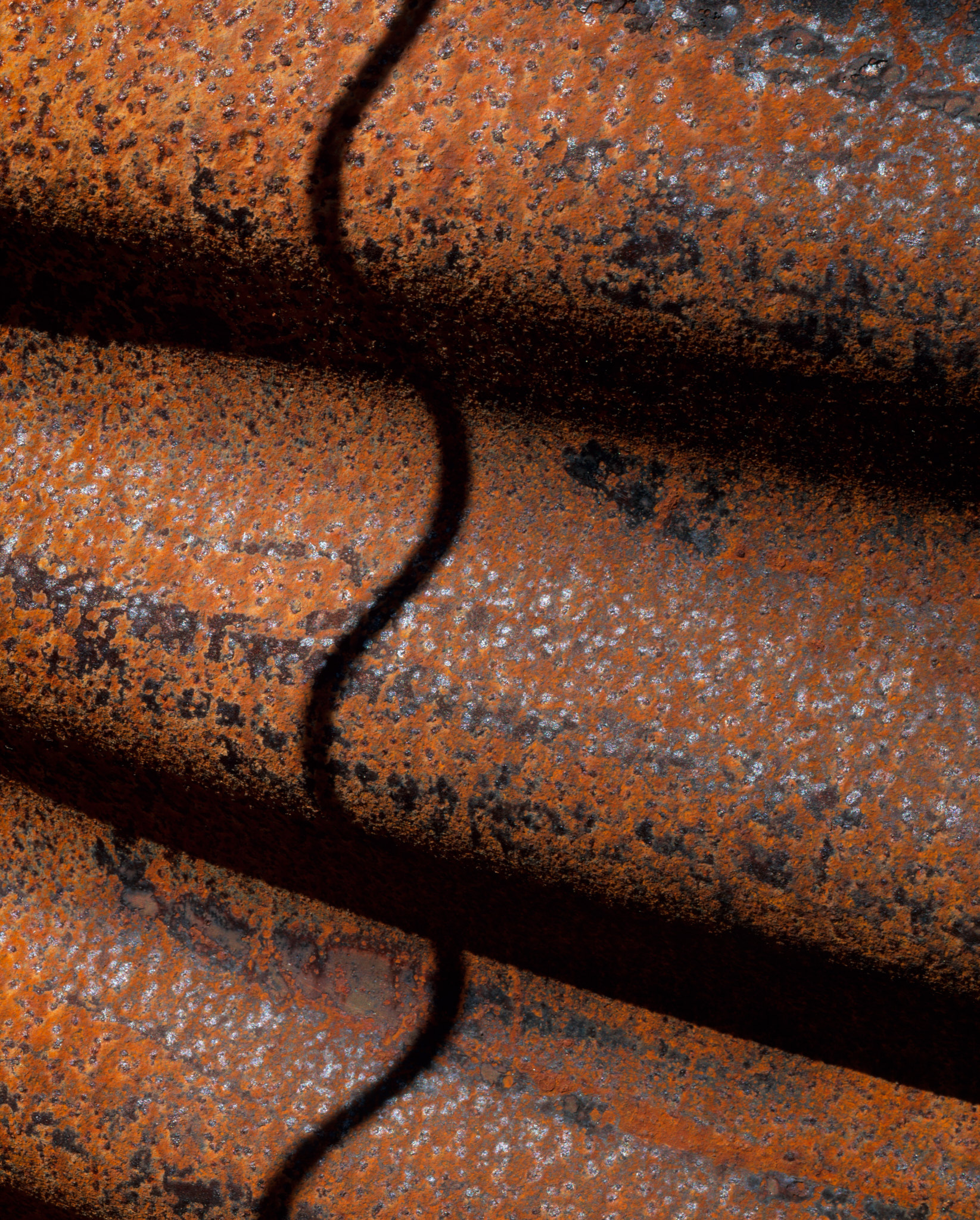
Colour was fundamental to how I worked the images at Mulgrave. Sometimes the forms in the picture were strong and they drove the composition, but most times it was colour that led. Strip out the colour and the composition weakens. My ideas of ‘Dynamic Balance’, described in my first work ‘Vision and Craft’, were crucial to the process – balance comes not just in terms of arrangement of form but also light and colour. The use of Velvia transparency film was important here. With a fixed white balance it was possible to play with the colour of light as a key element of the image construction. Different kinds of lighting transformed the results. I also threw away the convention of avoiding photographing details in the midday sun. The blacks created by a limited dynamic range became instrumental to the compositions. What might seem like show-stopping constraints today became integral to the work. Constraints and rules (real or artificial) are the mother of invention. And they are also there to be broken or dismantled at the right moment.
Creativity is a process as well. A good project balances two things. Firstly, expansion of ideas in the early stages to get the best ideas and to create a solid project framework. Secondly, focus and organisation in the later stages in order to fill out the portfolio and achieve the best sequence or series of images. The ideas for the project did not appear up front. I needed to give myself the space to photograph with no agenda and an open mind, to experiment in order to develop the ideas. A few successful images appeared and influenced the shape of the framework. Once the framework was in place, though, focus and execution was king.
Lessons from the Aftermath
What other lessons did I learn from the 2011-14 period and the years that followed?
With limited time to devote to photography, having a single big project like Mulgrave was a boon. It was easy to switch back into it whenever needed and it was possible to focus to make better and better images. The journey was inspiring and self-generating in terms of motivation. However, when I declared it was ‘finished’, a vacuum ensued. I had nothing lined up to follow it. The better the project became, the harder it was to follow that act. Be wise about putting all your eggs in one project basket. Too many or too few projects can end in tears.
I made every mistake under the sun in the immediate years afterwards. I chopped and changed my camera equipment in the hope that something would stick. No strong and meaningful work comes from constantly changing one’s equipment. Eventually I overcompensated and started too many ideas for projects. There was insufficient time to get very far with any of the ideas. Good projects, with time, reach a tipping point where momentum is generated.
In the years after Mulgrave I completely underestimated the challenges of switching from film to digital. In the film world I had concentrated on transparency film. It had the advantage that the film and the associated E6 chemical development processes managed the colour for me. I adapted my craft to create the perfect transparency. That was the physical object, the artefact. A transparency is the film equivalent of shooting with digital jpegs, not shooting in raw. Learning how to process digital images well is a key skill that must be acquired. Being in denial about this is not protecting the integrity of the image – it is just letting all the defaults in the camera and the computer process your image for you – like an E6 transparency. Learning black and white film photography and processing during and after Mulgrave was a brilliant and enjoyable step but didn’t contribute to my understanding of colour and how to manage it. Colour is difficult.
No strong and meaningful work comes from constantly changing one’s equipment.
The process of E6 development and scanning the slides came with downsides. Colour casts, especially magenta, would leak into the digital file. I was not very experienced at detecting colour issues and fixing them for a number of reasons, not all to do with a lack of education or skills in this area. My colour negative and early digital work suffered as a result. Even my transparency work suffered when it transitioned to the digital realm. I needed coaching in this aspect but I didn’t understand it. Art college would have helped but I didn’t have that advantage. We need quality input and feedback to self-improve; otherwise uncovering the unknown unknowns becomes a random process. One of the more enjoyable aspects of returning to the Mulgrave images this year has been the opportunity to correct the colour issues in the files.
I worked without physical artefacts in the early years of digital – nothing was printed and held in my hand. I stopped spending time with other photographers on workshops and, as a result, I stagnated. ‘You become the average of the people you spend the most time with’ – to adapt the famous quote by Jim Rohn. I enjoyed and cherished my tiny amounts of photography time with friends (and that is very, very important for mental health) but I didn’t get the diversity of input and quality of professional coaching I needed to progress my personal photography.
Recovery
The spiral downwards (quality, motivation and enjoyment) became inevitable and was in full flow by 2018. How did I turn this around?
The first step was acceptance and perspective. Photography was the release from work and the input. It was not the work and the output. I relaxed and simply enjoyed my photography time. The only output I expected from my photography process was to have a good time.
The second step was retrospection and re-creating my closed loop photography process – the approach I describe fully in ‘Closed Loop Photography’. In the film days I had regularly retrospected on my work individually and in groups. The transparency was the artefact and I spent hours reviewing the result and working out how to make things better. I had not realised that was what I was doing. Sometimes I had used my work travel time to retrospect or think about my work. Due to the pandemic, that travel ended.
I started to print my work and reviewed it with a wider group of experts. Slowly and systematically I worked out what was wrong and I fixed it. I reconnected with my mentors. I started going on workshops again. I increased the diversity of my photographic inputs. I learned how to process images well. I finally found the photography equipment that is right for me and I stopped changing things. I started to execute projects again. I became more confident again about where I needed to be, what I needed to photograph and when to make images that mattered to me. I took time out regularly to retrospect. I started to look for inspiration from other sources again – like exhibitions and parallel art forms – and, more importantly, started to experiment by incorporating new ideas into my practice.
For photography sessions to be both mentally relaxing and to enable flow state, the camera must disappear in your hands, operated entirely using muscle memory.
Flow state is an important concept that had been unconsciously happening in some of my Mulgrave sessions. Flow is a mental state where a person is fully immersed in an activity, feeling a sense of focus, energy and control. Instinct seems to take over with a fluid reaction to the world around you. It is often associated with high performance and higher enjoyment. Around 2018 I had become more aware of this and I learned various techniques to self-trigger a flow state when at work. Eventually, in the years that followed, I learned to utilise these techniques when I was out in the field with my camera.
I finally settled on the right combination of session-photography camera equipment and handheld work. In 2020-21, due to Covid restrictions, I had switched to handheld photography, which freed me up creatively. And in 2023, when I finally settled my session camera equipment for good, the last piece of my personal jigsaw fell into place. For photography sessions to be both mentally relaxing and to enable flow state, the camera must disappear in your hands, operated entirely using muscle memory. That had been the case in 2011-14 at Mulgrave and it became the case once again. I now have a symbiotic relationship between slow session photography (Yin) and dynamic handheld work (Yang).
However, the third and final step was devoting more time to photography. That became possible partly because of my age but also because I am privileged and lucky enough to work for one of the greatest firms in the world. I found balance again in my life with several leave-of-absence periods and eventually part-time working. It is never too late to create balance in your life – if you set out to do it, it is possible. If you don’t try, it definitely does not happen by accident.
I have been lucky to be surrounded by several people who gave me the space to learn, grow and get balance. Above all, we have a responsibility to help those around us to develop and to give them the space to create their own balance and to grow. Whether that is time to create art, or something else, it is critical. How they use that time is their responsibility (you can take a horse to water etc.) but to deny someone the space to grow and to get balance is the height of selfishness. To see others around you grow, succeed and find their balance is life’s greatest satisfaction.
Creating Mulgrave was a pleasure. But it was also an education, even if it has taken me ten years to learn many of the lessons. In many ways it was a seminal work for me. It taught me what was possible with the right application, by slowing down and being more thoughtful and, above all, by approaching my photography with an intent to enjoy the creative journey and the creative process wherever it takes you.
Summary of Key Takeaways
-
Art, including photography, is a key contributor to positive mental health. If it doesn’t exist in your life then it or its equivalent needs to be invented. Work/life balance is key. As is personal growth.
-
Abstract art needs definition. Abstraction is an attempt to a) create art that does not depict or represent the physical real world. Instead, it uses lines, shapes, symbols, textures, compositions and many other approaches to b) depict a subject outside the frame or picture. Examples include a concept, an idea, an emotion, a metaphor, a symbol etc.
-
In an abstract photograph, the subject is not the object being photographed. Understand this and you start to understand abstract photography.
-
It is not enough to create pictures that hide the physical world (2a) to make good abstract art. You need 2b. Therefore, manifest the subject. Make that idea explicit, at least in your own mind, and use that knowledge to inspire the next set of photographs.
-
Good abstract photography has the objects in the frame dancing to the tune of a higher purpose.
-
In artistic terms, making a series of original images is where all the fun and all the creativity lie. Single standalone images or obvious/derivative pictures are a fraction of the fun. Be original, daring, interesting. And, above all, get started with portfolios to learn. And stop following in others’ footsteps (tripod holes, metaphorically or physically) and stop trying to copy their work.
-
Trust yourself and your artistic process. If you don’t have a process, get one.
-
Creativity is a process as well. A good project balances a) expansion of ideas in the early stages to get the best ideas with b) focus and organisation in the second half in order to execute to quality and time. Constraints and rules (real or artificial) are the mother of invention. And they are also there to be broken or dismantled at the right moment.
-
Spend time in the landscape with the intent to be creative and original.
-
Isn’t life and nature wonderful? Always be grateful and remember how lucky we are to exist in the first place. Enjoy every minute of being in the landscape and don’t rush it. Whilst there, be respectful, seek to commune with the landscape rather than consume it, to see, not to be seen, to question, not to pronounce, to have an open mind, not to close yourself to ideas. Seek first to understand people and things before judgement.
-
Be wise about putting all your eggs in one project basket. Too many or too few projects can end in tears. Tailor your approach to available time and resources. But have a pipeline and manage projects through the stages.
-
No strong and meaningful work comes from constantly changing one’s photographic equipment. The right tools in any discipline are important, but changing them or buying new ones does not make you into a master or create strong work. The tools should disappear in your hands because you can operate the equipment from muscle memory.
-
Art is not a competition – except perhaps with yourself.
-
We chart an individual journey but that does not mean we need to photograph alone all the time. Photography trips with close friends are priceless. Value them.
-
Learning how to process digital images well (especially colour) is a key skill that must be acquired. Being in denial about this is not protecting the integrity of the image – it’s just letting all the defaults in the camera and the computer process your image for you.
-
We need quality input and feedback to self-improve; otherwise uncovering the unknown unknowns becomes a random process. We become the average of the people with whom we spend the most time. Choose wisely. Diversity of input and thinking is key to quality output. Be open to feedback.
-
Retrospection and creating a closed loop photographic process is the key to improvement. Improvement is key to progress. Personal progress is not mandatory for happiness but it sure helps.
-
A retrospective needs definition. It is an act of looking back over a recent period of time (an image, a session, a trip, a year, a project, a decade) and identifying what worked well, what could be improved and what actions or changes are needed for improvement. Do it regularly.
-
Closing the loop in photography means feeding the results from your work back into the process to learn and improve. It is 100x better with a physical artefact. Learn to print.
-
The slope of your learning curve matters more than its starting point. It’s never too late to learn a new skill.
-
Loss of motivation and frustration will likely happen at some stage. When it happens, relax and enjoy the ride. Work out what’s wrong and fix it. Build and trust your processes.
-
Flow state is an important concept that is helpful not only to the artistic process but to other disciplines in life. Flow is a mental state where a person is fully immersed in an activity, feeling a sense of focus, energy and control. Instinct seems to take over with a fluid reaction to the world around you. It is often associated with high performance and higher enjoyment. Learning how to trigger this state in yourself is a useful skill.
-
Inspiration is not necessarily the same as imitation or plagiarism. Exploring ideas or learnings from one context and taking them to another is a well-trodden path and can be a positive contribution to the personal journey. Taking the time to open one’s mind to new ideas and the work of others can be helpful periodically. The creative part is using that idea as inspiration for your own original work. It is important also to be capable of being inspired by one’s own work (at least the most surprising or satisfying work) and to use that inspiration to evolve your work and ideas. Giving yourself some space to innovate or to photograph with no agenda in a photography session can be a good investment.
-
Having the time to do something like photography is key to personal work/life balance and to personal growth. Ultimately, it is important for positive mental health. That time needs space. Other people around you need to give you that space. Space and support for work/life balance and personal growth are the greatest gift anyone can give you. It is the greatest gift you can give to someone else too.
Jon Brock, September 2025. Yorkshire.